


Ask any North London parent who’s been through the 11 Plus, and they’ll tell you the same thing: the Henrietta Barnett School English exam is on another level. It’s not just that competition is fierce — it’s the nature of the questions. They push students to think, interpret and write at a level beyond the Year 6 curriculum.
HBS is one of the country’s most respected grammar schools, with exceptional academic results, a creative spirit and a warm, grounded ethos. But that combination of excellence and accessibility makes entry extraordinarily competitive. Each year, thousands of bright, diligent students apply for around 120 Year 7 places.
And the English element of the exam is often what separates candidates…
So, what makes HBS English so difficult? How can families prepare effectively? And what should parents expect from the process? We explain what makes the HBS 11+ test so distinctive — and how to help your daughter rise to the challenge.
A Quick Refresher: About Henrietta Barnett School
Tucked away in the leafy calm of Hampstead Garden Suburb, The Henrietta Barnett School (or “HBS,” as most people call it) has a long history of nurturing curious, independent thinkers. Founded in 1911 by Dame Henrietta Barnett, a social reformer and education pioneer, the school provided outstanding academic opportunities for girls at a time when these were rare.
Fast forward a century, and that founding vision remains central. HBS combines exceptional academics with a broad and creative curriculum that encourages individuality, confidence and social awareness. It’s a state grammar school, meaning there are no tuition fees. Entry is based on a competitive 11 Plus exam that draws candidates from across London and beyond.
Inside the school, the atmosphere is focused and vibrant. Expectations are high, but students also describe a supportive environment, where teachers encourage them to develop their own interests, whether that’s literature, debate, music, science or sport.
For many families, this balance between academic excellence and community is exactly why HBS stands out — and why the entrance exam, particularly English, demands so much.
What is the HBS 11 Plus exam?
The Henrietta Barnett 11 Plus exam is a two-stage selection process designed to identify students with exceptional reasoning, literacy and problem-solving ability. In short, it includes multiple-choice English, Verbal and Non-Verbal Reasoning in Round 1. Top performing students are then invited back for Round 2, which includes free-response English and Maths questions.
We’ve already written an in-depth guide to Round 1 and 2 of the Henrietta Barnett 11 Plus exam, but in brief:
- Round 1: Created by GL Assessment — a single multiple-choice paper covering English, Verbal Reasoning and Non-Verbal Reasoning. The sections are individually timed, often with practice questions before each new component begins.
- Round 2: Written and marked by the school itself. This round focuses exclusively on Maths and English (featuring both comprehension and creative writing elements), this time with open-response elements.
So the English component features in both rounds. First as a comprehension-style multiple-choice paper, and later as a comprehension and an extended written assessment. In practice, it means language, reading and writing skills matter twice as much as other 11 Plus exams.
Let’s look more closely at what makes these papers so challenging.
Why is the HBS English paper so hard?
From high-level inference to advanced vocabulary and intense time pressure, here’s why the HBS 11+ English exam is so challenging.
1. The reading comprehension goes beyond surface understanding
In the first round, English questions test far more than basic comprehension. Students are expected to analyse how a passage is written, not just what it says. They’ll face questions on inference (“What might the character be feeling?”), figurative language (“Which phrase suggests surprise or admiration?”), tone (“What does this description tell you about the narrator’s attitude?”) and vocabulary in context.
Here’s an example from similar QE Boys English papers:
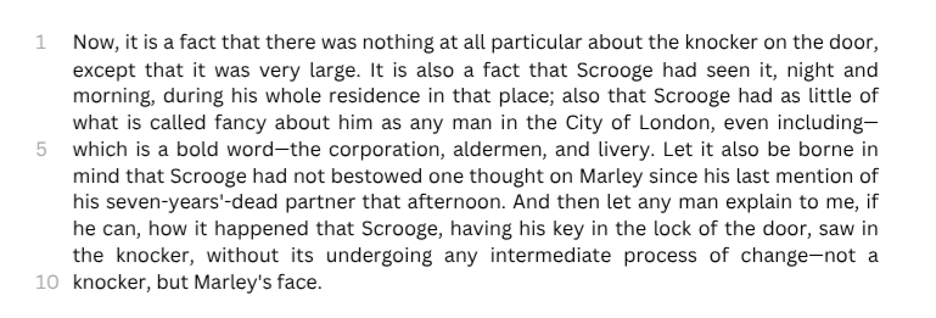
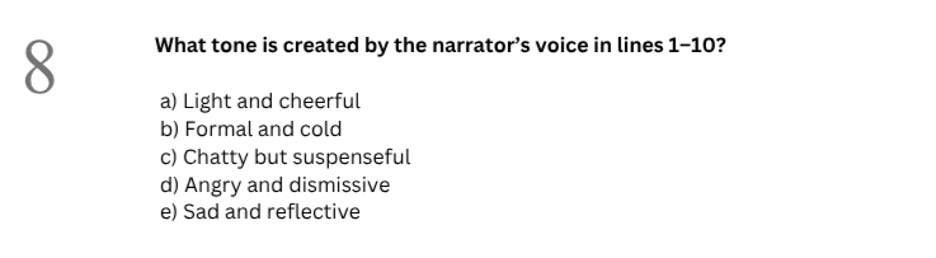
The texts themselves are often rich and literary. Think 19th-century prose or challenging modern fiction. As a result, many children are thrown by unfamiliar words or implied meanings. It’s not enough to “get the gist”; they must read precisely and think like a writer.
2. Vocabulary expectations are exceptionally high
The HBS English paper assumes a wide active vocabulary — and not just for comprehension, but for nuance. In Round 1, tricky synonym and antonym questions test how deeply students understand words, not whether they can memorise a list.
A student might be asked to distinguish between melancholy and mournful, or astute and shrewd. Papers often feature subtle distinctions that rely on true familiarity, not guesswork.
For example:
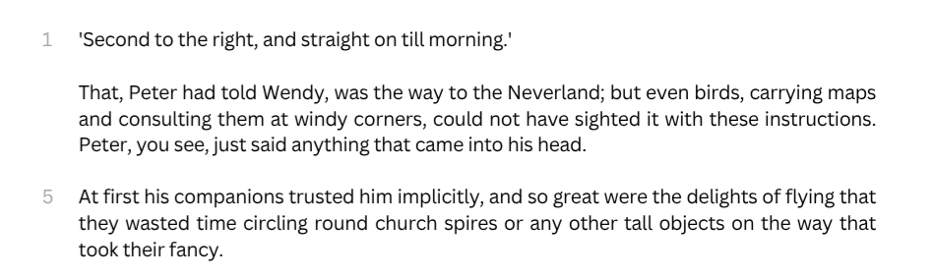
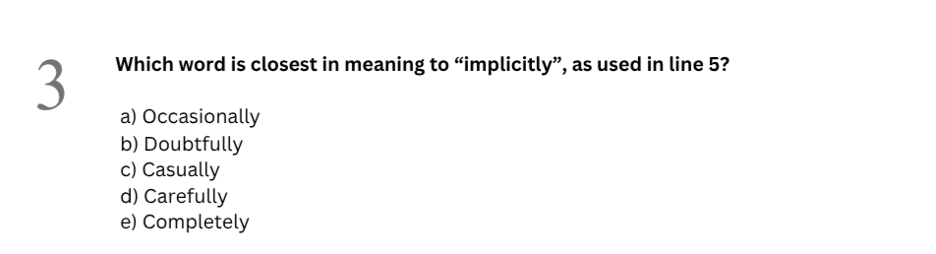
That’s why reading challenging material (a good mix of novels, newspapers, essays and poetry) is so valuable. HBS examiners want to see linguistic confidence, not rote-learned answers.
3. The written paper (round 2) demands real craft
Once candidates reach Round 2, the English paper becomes a free-response written test — and this is where the bar rises.
Typically, there are two parts:
- A comprehension section, where students answer open questions in sentences or short paragraphs.
- A creative or analytical writing task, which might ask them to describe a scene, continue a story, or respond to a stimulus (like a picture or quotation).
Here, examiners are looking for voice, structure and original thought. They’re not just marking spelling and punctuation (although SPaG is still important!), but fluency, imagination and control of tone.
As part of this, what trips up many students isn’t knowledge, but nerves: they might rush, overcomplicate or lose structure under timed pressure. That’s why practice under exam conditions is crucial.
4. Timing is intense
Time pressure is one of the biggest hurdles for the Henrietta Barnett 11 Plus. The GL Assessment paper’s English section can be as short as 25 minutes for a full comprehension, and the Round 2 written exam typically lasts 45–60 minutes for both comprehension and writing.
There’s no time to hesitate.
Students must learn to read with precision and write with purpose, even when the clock is ticking.
5. English skills influence performance across the exam
Even beyond the English paper, strong language skills help elsewhere — from interpreting tricky Verbal Reasoning questions to understanding multi-step maths word problems. The HBS exam rewards verbal clarity and logical thought, so being confident in English gives your daughter an edge in every round.
What’s the pass mark for the HBS 11 Plus?
There’s no fixed pass mark for the Henrietta Barnett 11 Plus exam. The amount changes each year, based on the group’s performance.
But to give you an idea, around 3,000 students sit the Round 1 exam. As only the top 300 candidates are invited to sit Round 2, this means your child needs to be in the top 10% of applicants.
Final offers are made based on combined results from both Round 1 and Round 2. So to be in with a realistic chance, you should aim for 90% or above on practice papers (QE Boys English practice papers are a good place to start with high-level GL-style questions).
This also means there aren’t separate pass marks for individual elements of the test.
However, due to a past freedom of information request, Henrietta Barnett published both the raw and standardised scores of 2025 Year 7 entrants. Here were the lowest and highest raw scores for each section.
Round 1
- English: Lowest: 14 | Highest: 26
- Verbal Reasoning: Lowest: 25 | Highest: 34
- Non-Verbal Reasoning: Lowest: 4 | Highest: 18
Round 2
- English: Lowest: 16 | Highest: 49
- Maths: Lowest: 14 | Highest: 44
Is there a catchment area for HBS?
No, Henrietta Barnett is one of the few grammar schools that doesn’t restrict entry by postcode. Any girl can apply to sit the Round 1 entrance exam, no matter where they live.
However, after Round 1, top-performing candidates are invited back to sit Round 2. At this stage, families living within three miles of the school are prioritised (in addition to those receiving Pupil Premium and “Looked After” children).
But after this, scores are simply ranked, with spaces allocated on performance. At this stage, location won’t limit eligibility, but distance can be used as a final tie-breaker if two candidates finish with identical ranked scores.
So even if you live further afield, if your daughter performs exceptionally on the HBS test, there’s every chance she could secure a place.
How hard is it to get into HBS?
In short, getting into HBS is extremely challenging. But it’s certainly achievable with the right preparation. Each year, around 2,500–3,000 candidates sit the Round 1 exam. From that group, 300 girls are invited back for Round 2. Of those, around 120 receive offers.
That translates to an overall acceptance rate of about 10% — similar to QE Boys and other ultra-selective grammar schools.
What makes HBS particularly demanding is the combination of a high academic bar and lack of catchment area. You’re competing with the best candidates across Greater London (and further afield), many of whom have been preparing for years.
But don’t let that discourage you. Entry to Henrietta Barnett is absolutely achievable for the right student with the right preparation. And English can, in fact, be a secret weapon.
Here are a few tips to get your preparation off to the best start.
How to approach the HBS English exam strategically
- Read widely and often: The more varied the reading material, the better. Aim for books and practice papers that stretch vocabulary and understanding — classic literature, historical fiction and rich descriptive prose.
- Practise active reading: When reading, pause to discuss tone, meaning and writer’s choices. Ask “Why did the author describe it this way?” or “What does this character description tell us?”
- Build vocabulary naturally: Keep a notebook of interesting words, but also encourage your daughter to use them in context. Writing short paragraphs or stories using new vocabulary cements understanding.
- Master timed comprehension: Round 1’s English section moves fast. Simulate exam conditions with short, sharp multiple-choice practice sessions.
- Work on writing stamina: For Round 2, build up to full creative writing pieces under timed conditions. Focus on structure: a clear beginning, development and conclusion goes a long way.
- Review feedback deeply. Instead of focusing on marks alone, look at why a question was wrong or how a paragraph could be improved. This will help your daughter improve consistently, and with confidence.
Above all, make English enjoyable. Confidence grows fastest when reading and writing feel like an exploration, not a chore.
Quick-Fire FAQs: Henrietta Barnett School Background
Before we finish off, here are some of the most common questions about Henrietta Barnett. From its single-sex status to rankings, values and costs, here are the key stats you need to know.
Is Henrietta Barnett a girls’ school?
Yes, Henrietta Barnett is a selective grammar school for girls aged 11 to 18. It’s one of the few remaining single-sex state schools in London, and many families value the focused, empowering environment it offers.
Girls describe a strong sense of friendship, collaboration and shared ambition. The school is rightly proud of “breaking stereotypes about what girls can and cannot do” in STEM, entrepreneurship and leadership.
Is Henrietta Barnett a private school?
No. Although it regularly tops the league tables alongside elite independent schools, HBS is entirely state-funded. There are no tuition fees, and admission is based solely on exam performance.
Parents and the local community often contribute to “The HBS Trust” (supporting music, clubs and wider facilities at the school), but this is entirely voluntary. Attendance itself is free.
What’s the ranking of Henrietta Barnett School?
Henrietta Barnett’s league table rankings are consistently outstanding. In The Times Parent Power 2025 League Table, HBS was ranked as the number one state school for academic excellence in the UK. It pipped other high-profile names such as QE Boys and Wilson’s School to achieve this impressive accolade.
Underpinning these rankings are some seriously impressive GCSE and A Level results. In 2025, 97% of GCSE grades were 9-7 and over 86% of entries were graded A*–B at A Level.
What are the values of Henrietta Barnett School?
In short, the school’s ethos blends academic excellence with compassion and individuality. Henrietta Barnett proudly describes its “warm, friendly and vibrant community that prides itself on happy and productive relationships.”
Reflecting on their values, the school comments:
“Dame Henrietta Barnett strongly believed in the power of education to shape people’s lives and founded the School to provide educational opportunities of the highest quality for its students. She built the School on the principle that education should be open to girls from different backgrounds to study and learn together and from each other. This principle is alive and well at HBS.”
As such, there’s a strong focus on curiosity, creativity and contribution — producing not only top results, but confident, grounded young women ready to make an impact in the world.
Achieve Learning: Helping Families Approach the 11 Plus with Confidence
Ultimately, the English component of the HBS 11 Plus is so challenging because it mirrors the spirit of the school itself: demanding, intellectual and quietly creative. Success isn’t about cramming. It’s about cultivating genuine understanding, curiosity and expression.
At Achieve Learning, we’ve helped countless students prepare for the HBS English exam.
Our tutors understand exactly what the papers look like, how they’re marked, and what skills examiners prize. We combine individual tutoring, academic consultancy and mock exams that mirror the real test experience, giving your daughter the confidence to shine when it matters most.
To learn more or book a consultation, get in touch today — and let’s build a path to success.


