


If your child is preparing for the 11 Plus, English is often the section that makes parents most anxious. Why? Because unlike maths, where there’s a clear right answer, English tests such a broad range of skills. From comprehension and vocabulary to punctuation, spelling, grammar, sentence completion and creative writing.
And to complicate things further, no two schools assess English in quite the same way.
Take QE Boys in Barnet. Its GL Assessment English paper places a heavy emphasis on comprehension and SPaG accuracy, with subtle traps that catch out even strong readers. Meanwhile, Henrietta Barnett is known for challenging creative writing prompts that demand flair and technical precision. Latymer is different again, with a multiple-stage process including verbal reasoning, comprehension and creative writing.
This variety means parents can’t rely on “generic English practice.” Success comes from knowing how to prepare smartly, tailoring practice to your child’s strengths and the schools you’re targeting. That’s what this guide is all about. It’s a step-by-step roadmap: when to begin, how long to prepare, which areas to prioritise, and what strategies work in practice.
How to Improve English for the 11 Plus: A Strategic Overview
Improving English for the 11+ isn’t about ticking off a list of grammar rules or forcing your child through stacks of practice papers. It’s about creating a layered, balanced programme that strengthens the full range of skills children need: reading with understanding, using vocabulary flexibly, applying grammar and punctuation accurately, and expressing ideas clearly in writing.
In practice, this means striking a balance between long-term foundations and short-term exam technique.
Wide reading and vocabulary give children the tools to understand and interpret demanding texts. Focused SPaG and sentence work sharpens accuracy. Writing tasks build fluency and expression, even if writing itself isn’t tested by your target school. And finally, exam-style papers pull everything together, giving children the chance to practise under realistic conditions.
Put all of these strands together, and you’ve got rounded preparation that produces confidence as well as competence.
The best preparation combines:
- Planned reading: A rich reading diet exposes children to complex sentence structures and advanced vocabulary.
- Targeted SPaG practice: Ten minutes daily on spelling, punctuation, or grammar rules adds up fast. This embeds long-term recall and helps avoid common SPaG mistakes.
- Vocabulary building: Keep a vocabulary journal and practise synonyms, antonyms and word families.
- Exam-style application: Once ready, practise with bespoke 11+ papers designed for the demands of top grammars like QE Boys or Wilson’s School.
- Writing tasks: Even when not tested directly, writing skills support comprehension and show mastery of vocabulary and grammar.
Pro tip: Don’t forget the importance of confidence. Children who feel “at home” with words read faster, answer more decisively, and write more fluently under exam pressure. Confidence comes from familiarity, and familiarity comes from steady, varied practice.
What Age Should You Start Preparing for the 11 Plus?
The ideal time to start preparation depends on your child. But most families aiming for selective schools begin some form of preparation in Year 4, stepping things up in Year 5. If you’re targeting ultra-competitive schools like QE Boys, Habs Boys or St Olaves (for example), a gentle head start in Year 3 can be beneficial. But the focus at that age should be on building confidence, reading widely and laying strong foundations.
Children who start early don’t necessarily spend hours each week on formal study. Instead, they grow into it gradually. By the time they reach Year 5, the demands of comprehension, vocabulary and SPaG no longer feel alien.
Here’s what this looks like in practice.
- Year 3: Focus on fun but purposeful activities. Read together as much as you can (both fiction and non-fiction), play word games, introduce advanced vocabulary in conversation, and build basic grammar awareness. No need for formal exam practice yet.
- Year 4: Begin introducing light, structured English activities. This might include short comprehension passages (untimed), simple SPaG exercises and keeping a vocabulary journal. The emphasis should still be on enjoyment and routine rather than pressure. Aim for little-and-often tasks that start to feel familiar.
- Year 5: This is the key preparation year. Introduce weekly comprehension practice, targeted SPaG drills and vocabulary work. Start using resources aligned to the demands of selective schools (like Achieve Learning’s tailored 11+ papers) as generic materials can be too easy.
- Year 6: Since most exams happen early in the autumn term, Year 6 preparation is about polishing, revising and maintaining confidence. Short, timed practice tasks and mock exams are invaluable.
Insider tip: Children don’t all progress at the same pace. If your child is naturally strong at English, you may not need as much preparation time. If they struggle with SPaG or reading speed, give them longer. The aim isn’t just to pass, it’s to perform at a consistently high level under pressure.
How Long Does It Take to Prepare for the 11+?
On average, most children benefit from 12–18 months of steady 11+ prep. But that doesn’t mean endless worksheets. It means consistent layering of skills.
In our experience, practice papers are one of the most useful ways to prepare. But it’s important to build strong foundational skills and confidence, before heading into mock exams. If full papers are introduced too early, children end up repeating errors, feeling demoralised and developing bad habits.
The most effective approach is to teach skills first: comprehension strategies, spelling rules, punctuation (often working with shorter paper segments, literally a question at a time). Then bring in exam-style practice once skills are secure.
A well-structured preparation journey has three phases:
- Foundation phase: Vocabulary, spelling, grammar and wide reading. Build enjoyment as well as skill.
- Growth phase: Apply knowledge through structured comprehension and sentence completion practice. Begin creative writing tasks.
- Exam phase: Timed practice papers, mock exams and stamina-building. This is where your child learns to work quickly, manage nerves and apply their knowledge in real exam conditions.
Insider tip: Use bespoke resources. At Achieve Learning, we’ve created SPaG-only papers and full-length 11+ English papers tailored to schools such as QE Boys. These varied practice materials (with full glossary and parent-friendly explanations) allow children to master tricky areas step by step, and progress onto timed practice when the time is right.
How to Prepare for 11+ English: Topic by Topic
Now we’ve got the foundations covered, let’s take things step by step, topic by topic. We’ll look at comprehension, spelling, punctuation, sentence completion and creative writing (the main components of any 11+ English exam).
First up, improving comprehension skills for the 11+.
How to Improve Comprehension for the 11+
Strong comprehension is the cornerstone of the 11 Plus. Children are expected to quickly read difficult texts, understand subtle meanings and answer with precision. Weak comprehension is often what holds children back, even when they have strong vocabularies.
To succeed, focus on the three pillars of comprehension success:
- Reading speed: If this is something your child struggles with, encourage “chunk reading” — taking in short phrases rather than word by word. Then, if a question picks out a specific word, they can double-check. Timed practice helps build stamina.
- Deep understanding: Teach children to summarise each paragraph or section in their own words. This keeps them actively engaged with the text.
- Answer accuracy: Train them to back up answers with quotes (even if you’re prepping for a multiple-choice exam like QE Boys, this is a good habit to get into). Many children lose marks by being vague or not thinking-through their reasoning carefully.
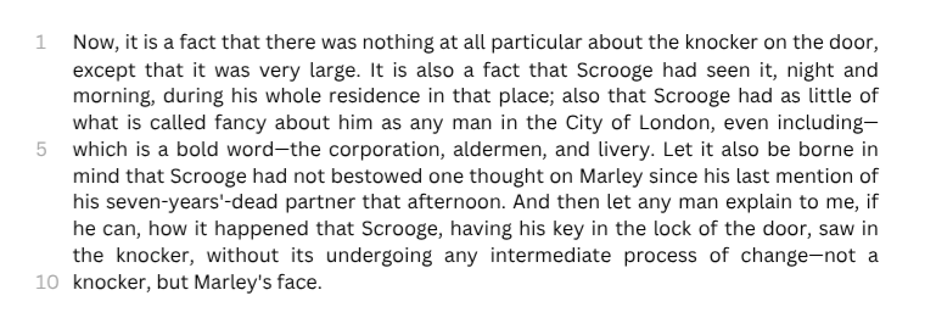
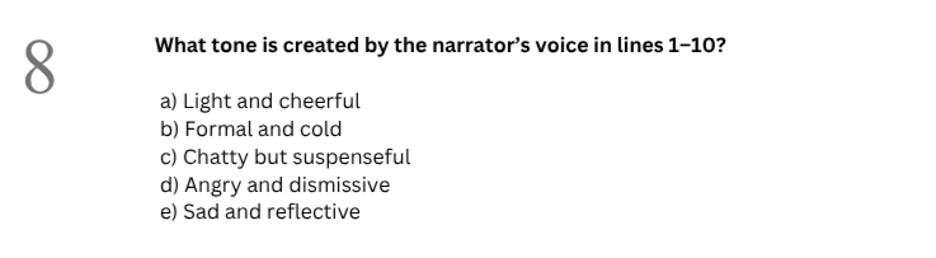
Insider tip: Highly selective grammar schools often use challenging passages. Think Victorian fiction, complex non-fiction or poetry. Exposing your child to multiple text-types is one of the best ways to prepare.
For instance, have a go at this 11+ comprehension question, featuring Charles Dickens’ A Christmas Carol:
How to Improve Spelling for the 11+
Spelling can feel like a small detail, but in highly competitive exams it’s a quiet game-changer. The children who succeed are the ones who’ve made spelling accuracy second nature.
Consider this question, taken from an Achieve Learning practice paper. Can you spot the mistake?

A pro tip is making spelling active. By this, we mean encouraging your child to use tricky words in conversation, quick-fire writing tasks (can you create a sentence containing these three words?) or even a “super spelling bee” in the car on the way to school. Combined, activities like this make knowledge “sticky” rather than passive.
Here are a few extra tips to sharpen spelling skills.
- Keep a personal spelling journal and revisit it weekly. Encourage your child to organise by themes (e.g. words with double consonants, prefixes or suffixes) so patterns become clearer.
- Tackle common pitfalls: homophones (“there/they’re/their”), double consonants and silent letters. These appear repeatedly in 11+ papers.
- Practise in sentences, not just lists: It’s one thing to spell separate in isolation, but another to remember it correctly when writing: “They decided to go their separate ways.”
- Use dictation passages to combine spelling with punctuation and grammar. Reading a short paragraph aloud and having your child write it down checks multiple skills at once.
- Spot “family words”: Learning root words and how they change with prefixes/suffixes (e.g. agree, disagree, agreement) strengthens vocabulary as well as spelling.
When spelling is practised little and often (and in context), it transforms from a weak spot into a quiet strength, giving children the tools to pull ahead in a competitive field.
How to Improve Punctuation for the 11+
Punctuation is one of those areas that can feel deceptively simple. After all, most children know what a full stop is by Year 2. But in the 11+, punctuation becomes a quiet game-changer. Marks are often lost not through a lack of knowledge, but through careless slips or uncertainty about less common marks.
Because punctuation is tested in two ways (directly in SPaG questions or indirectly through creative writing), accuracy makes the difference between a “good” script and a “top-band” one. Schools like QE Boys know this, which is why they include subtle “spot the mistake” questions designed to stretch even strong candidates.
For instance, is there anything wrong with this sentence?

To prepare for questions like this, here’s a layered, step-by-step punctuation strategy that works.
- Master the basics first: Full stops, commas, apostrophes, and speech marks are the foundation. Don’t just teach the rules in isolation. Show how they work in context and get your child used to spotting mistakes in real passages.
- Introduce the advanced set: Once the basics are secure, move on to semicolons, colons, dashes, ellipses and parentheses. Explain their purpose (e.g. a semicolon links two closely related ideas; a colon introduces an explanation or list). Show how they can sharpen meaning and add sophistication to writing. These are the kind of touches examiners love.
- Practise error-spotting regularly: Correcting flawed sentences is one of the fastest ways to learn. Use a mix of worksheets, practice papers, and your child’s own writing. This helps them spot their own patterns and fix them before exam day.
- Build up to timed SPaG practice: Once accuracy is solid, rehearse under timed conditions. Short bursts (5–10 questions against the clock) are better than full papers at first. This helps children get comfortable with spotting errors quickly, which is exactly what they’ll need to do in exams.
At Achieve Learning, our SPaG-only practice papers are designed to mirror what examiners really ask: misplaced apostrophes, comma splices, punctuation in dialogue and those elusive semicolon questions.
How to Improve Sentence Completion for the 11+
Sentence completion is one of those sections that looks simple at first glance, but can be deceptively tricky. On the surface, it’s a matter of choosing the right word to slot into a gap. But examiners are really checking whether children can apply grammar and vocabulary, understand context and reason logically under pressure.
Have a go at this:

Children who go with their “gut” often get caught out by near-miss answers, while those who approach it methodically tend to score highly. The best way to prepare is giving your child tools that make the process logical, repeatable and quick.
Here are a few strategies to use at home.
- Cloze exercises: Regularly fill in missing words in short passages to build familiarity. Start simple, then increase difficulty. Include metaphors, similes and other figurative language.
- Think aloud: Ask your child to explain why an option fits. Discussing answers sharpens your child’s decision-making and prevents careless guesses. It’s also massively helpful for verbal reasoning preparation.
- Word families: Teach root words and their variants (e.g. decide, decision, decisive). Having multiple options up their sleeve makes it easier to find the right fit.
- Read aloud: Encourage your child to “hear” the sentence in their head or read it out loud. If it sounds clunky, it’s probably wrong.
- Process of elimination: Train them to rule out obviously wrong answers first. This speeds up decision-making and reduces errors.
Sentence completion is often where time is lost, as children can get stuck debating similar options. Regular practice will improve both speed and confidence, alongside wide reading and more general comprehension skills.
How to Improve Creative Writing for the 11+
Last but not least, creative writing is the wildcard of the 11+. Some schools, like QE Boys, don’t test it at all, while others, such as Dame Alice Owen’s and Tiffin Boys, use it as a major part of their English assessment. That unpredictability often leaves parents wondering: Should we spend time on it or not?
The answer is yes. Even if writing isn’t directly tested by your target school, practising creative writing improves sentence control, vocabulary and fluency, all of which feed into stronger comprehension and SPaG answers.
The biggest trap children fall into is either writing too much, too fast (pages of rambling description), or freezing up because they don’t know where to start. The solution is giving them a framework: quick planning, focused writing and a balance between flair and accuracy.
- Plan quickly: Spend two minutes sketching an outline (opening, turning point, closing). This reduces panic and gives structure.
- Clarity over quantity: A single well-structured page with vivid character descriptions will always beat three rambling ones. Encourage your child to aim for “simple but powerful.” A clear structure, a handful of precise images, and flawless SPaG will outshine even the most “show-stopping” plot.
- Timed prompts: Regular short bursts of writing (10–15 minutes) build stamina and confidence. Our 11 Plus Creative Writing Examples are a great starting point for practice.
- Borrow techniques from reading: Spot how favourite authors build tension, use dialogue, or describe settings. Then replicate those techniques.
- Polish accuracy: Originality matters, but accuracy matters more. A beautifully crafted description with clean punctuation will always score higher than an imaginative piece full of errors.
Final Thoughts: Preparing Your Child for 11 Plus English
Preparing for the 11 Plus English exam is less about doing everything at once and more about following a structured plan. Start early if you can, but above all, focus on steady, consistent progress. Build confidence with wide reading, target weaknesses with focused practice, and use exam-style resources that match the demands of your target schools.
Schools like QE Boys, Henrietta Barnet and Latymer set the bar incredibly high. Success isn’t about luck. It’s about preparation. And the children who do best are those who’ve combined skill-building with smart strategy.
At Achieve Learning, that’s exactly what we offer: bespoke practice papers and mock exams designed to simulate real pressure, and expert tuition to guide every step. For a clear path forward, with resources and support tailored to your child’s goals, get in touch today. We’d love to help.


